Who books mental health speakers
HR, benefits and wellbeing teams
Mental health awareness months, employee assistance program launches, all-hands meetings after a loss. These buyers need a speaker who reduces stigma and points people toward help, without making colleagues uncomfortable or exposing anyone.
Schools, colleges and youth programs
Student audiences are the most sensitive of all. Buyers here often check talks against safe messaging guidance for suicide and self-harm, and they will reject a reel that dwells on method or presents a crisis as dramatic.
Healthcare, first responders and public safety
Hospitals, fire departments, police and EMS agencies book mental health speakers for staff who face trauma at work. They want a speaker who understands that context. David Woods Bartley's story includes a first responder who sat down next to him, which speaks directly to this audience.
Associations and conferences
Mental health is now a common general session topic. Program committees want a speaker who moves the room and leaves people with something to do, not just a sad story.
The beats a mental health reel has to prove
01
Lived experience, stated once
David's reel gives his suicide attempt one plain sentence at 0:24, with the date and the place, and then moves on. That is enough to establish lived experience. More detail does not add credibility; it adds risk.
02
The turn toward hope, fast
Within seconds of the hardest line, David says "it was instead the first day of a new life" and tells the story of a first responder who asked, "What does it feel like to be depressed?" The viewer is never left in the crisis.
03
Stigma, addressed directly
"I didn't fit the image of somebody who is battling a mental illness" and a doctor telling him "it's not your fault" do more to reduce stigma than any statistic. Show the line in your talk that changes how people see someone who is struggling.
04
The audience has a role
Buyers book mental health talks so people will look out for each other. David tells the room that "each and every one of us here tonight is qualified to make what can be a life-saving difference" and names the tools: compassion, kindness, patience, understanding.
05
It ends on hope
David's reel closes on "It's without hope that people will perish," followed by applause. The last emotion a planner feels should be lift, not grief.
Mistakes that cost mental health speakers bookings
Graphic or detailed descriptions
Planners screening for safety will stop watching. Say what happened in plain terms and leave out method detail. If your talk includes more detail for a specific audience, the reel is not the place for it.
Dramatic music and re-enactments
A swelling score under a crisis moment, or stock footage of a bridge or a hospital, can feel exploitative. We keep the reel on the speaker and the audience, and drop the music under serious beats.
All story, no tools
A reel that is four minutes of personal history tells a planner the talk is a memoir. Show the shift to what the audience can do.
Leaving out the help-seeking path
In David's reel, hope gets him "to an emergency room and then to a psychiatric hospital." Showing that seeking help is part of recovery is what buyers in this space want to see.
Too short to land the arc
A 60-second mental health reel usually leaves only the crisis. The arc from crisis to hope to action needs room: David's runs 3:33. See how long a speaker reel should be.
A signature idea helps here too
David's reframe, "I hate the term suicide prevention. They don't call this an anti-drowning jacket. They call it a life preserver," gives a planner a distinct, quotable idea. Mental health is a growing category, and a named reframe is what separates one speaker from the next. Read the full breakdown on the David Woods Bartley case study.
David also recorded a testimonial about working with us. He had given over 800 presentations without a reel, and says the finished one is "going to open up doors that I didn't even know existed."
If you or someone you know is struggling, in the US you can call or text 988 to reach the Suicide and Crisis Lifeline.
Our mental health reel and testimonial
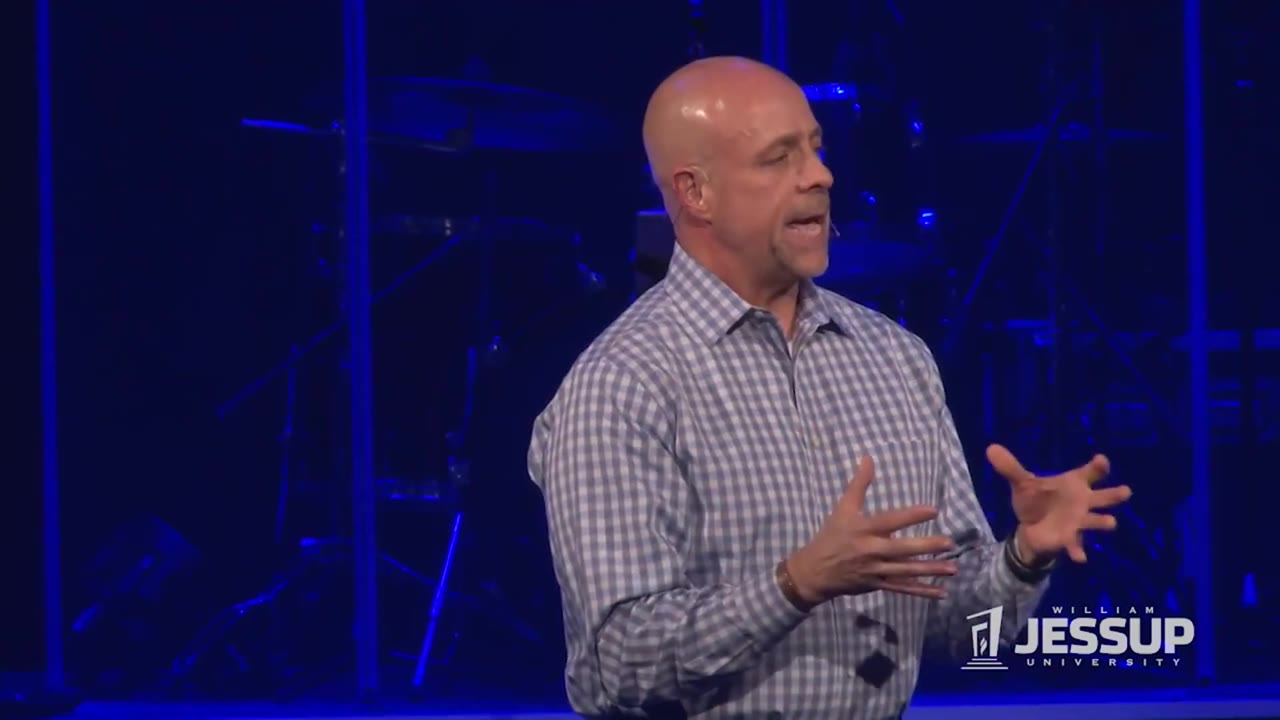

“The end product was incredible, and I know it's going to open up doors I didn't even know existed.”
Your next stage
A reel that handles your story with care
Send us your keynote footage. We build the arc from story to hope to action, and you approve every beat. $3,000 flat, two rounds of revisions included.
Questions people ask
What should a mental health speaker reel include?
Your lived experience stated plainly and briefly, a fast turn toward hope, a line that addresses stigma, a role for the audience, and a hopeful close. Avoid graphic detail and dramatic scoring.
How do you talk about suicide in a speaker reel?
Plainly and once, in the speaker's own words, without method detail or dramatization, followed quickly by hope and help-seeking. That is how David Woods Bartley's reel handles it.
Who books mental health speakers?
HR, benefits and wellbeing teams, schools and colleges, healthcare and first-responder organizations, and associations programming general sessions.
How long should a mental health speaker reel be?
Long enough for the arc from story to hope to action, usually around 3 to 4 minutes. David Woods Bartley's runs 3:33.
Keep reading
Case study
David Woods Bartley
A 3:33 mental health keynote reel that tells a survival story plainly, then turns it into hope and action for the audience.
Speaker reels for
Resilience speakers
How a resilience keynote reel balances a hard personal story with a method and a lighter room, with two real examples.
Speaker reels for
Wellness speakers
How a wellness keynote reel earns a corporate budget by tying wellbeing to burnout and turnover, with Houlihan and Clark as examples.
Speaker reels for
Motivational speakers
How a motivational keynote reel proves energy and substance at once, with Martinus Evans and David Woods Bartley as examples.
Guide
What to include
The eight structural beats behind effective keynote reels, with timestamped examples from real ones.
Guide
How planners judge reels
What meeting planners, bureaus and committees look for in a demo reel, and what makes them skeptical.
Your next stage
Get a speaker reel that books the room.
One flat $3,000 per reel (50% to begin, 50% on completion). Edited from footage you already have, delivered in 2 to 3 weeks, with two rounds of revisions. Two minutes to see if you're a fit.